

Bags and Fashion Accessories from India
Bags and fashion accessories sit between material sourcing and brand identity. A handbag, tote, wallet, belt, or travel accessory may be made from leather, canvas, textile, synthetic materials, metal hardware, trims, linings, and packaging components. Buyers should therefore evaluate both the leather capability and the full accessory production system.
India is often considered for accessories because buyers can combine handwork, leather details, textile panels, embroidery, woven elements, hardware, and private-label packaging. The opportunity is broad, but the specification must be disciplined. Accessories are judged visually, and small inconsistencies can reduce perceived value immediately.
Product categories

Bags include handbags, totes, crossbody bags, backpacks, laptop bags, duffel bags, travel pouches, cosmetic bags, and promotional bags. Each requires different materials, reinforcements, hardware, and testing focus.
Small leather goods include wallets, card holders, key cases, coin purses, passport covers, organizers, and watch straps. These products require precise cutting and finishing because the customer handles them closely.
Fashion accessories can include belts, straps, trims, mixed-material goods, woven accessories, textile-and-leather combinations, gift products, and branded merchandise.
Material strategy
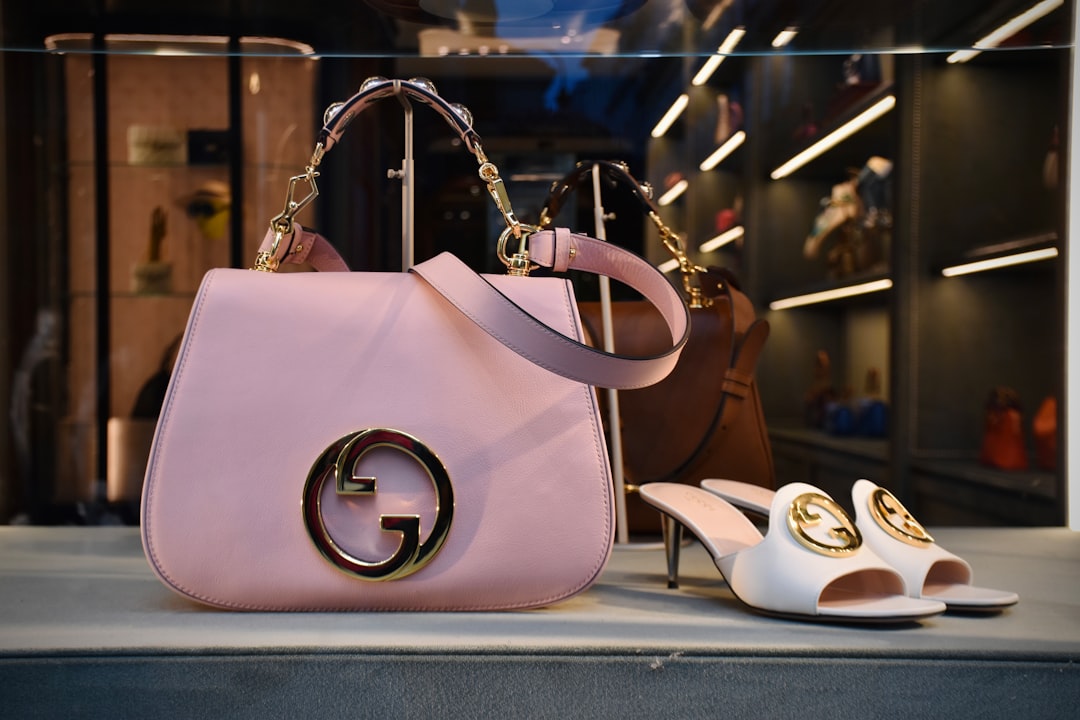
Not every accessory needs full-grain leather, and not every price point can support premium material. Buyers should define whether the product is leather-led, mixed-material, vegan/synthetic, textile-led with leather trims, or promotional. This decision affects supplier selection. Some factories are better at leather craftsmanship, while others are stronger in assembly, fabric, printing, or promotional products.
For mixed-material goods, ask how the supplier manages shrinkage, color bleeding, metal corrosion, lining tearing, and bonding between different surfaces. Problems often appear where materials meet: handles, corners, seams, edge paint, zippers, and hardware stress points.
Private-label details
Accessories are often sold under brand programs. Buyers should prepare branding requirements early: logo size, placement, embossing depth, metal badge finish, woven label, hangtag, dust bag, barcode label, care card, retail box, carton label, and product photography needs. Supplier mistakes in branding can make otherwise acceptable goods unsellable.
Quality checklist
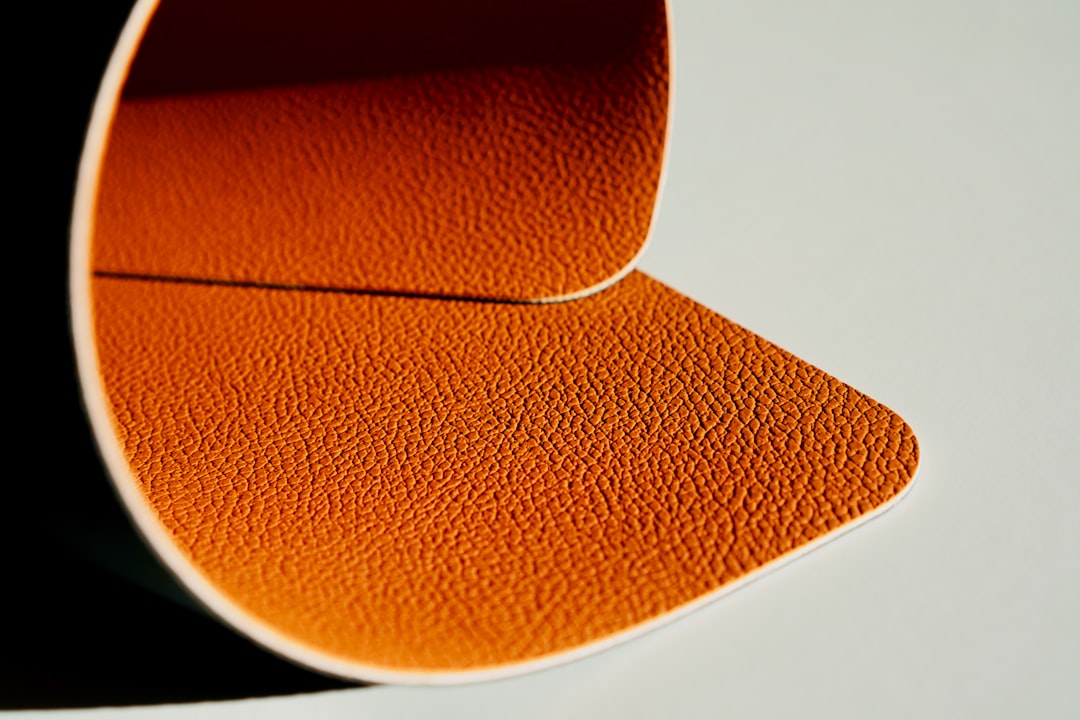
- Material shade, grain, thickness, smell, and hand feel.
- Symmetry, shape retention, corner finish, and panel alignment.
- Stitch length, thread tension, loose threads, and seam strength.
- Edge paint cracking, peeling, overflow, or rough finishing.
- Hardware plating, zipper movement, puller strength, magnet function, and buckle finish.
- Interior lining quality, pocket alignment, and label placement.
- Packaging protection, carton loading, and moisture control.