Leather Trade Fairs for Buyers
A leather fair is a compressed sampling trip, not a catalogue you walk through. Tanneries, finishers, chemical suppliers, and leather-goods factories share halls. Without a brief, you collect business cards for materials you cannot compare. With a brief, you can shortlist two or three suppliers in a day and start the sourcing sequence before you fly home.
What fairs are for
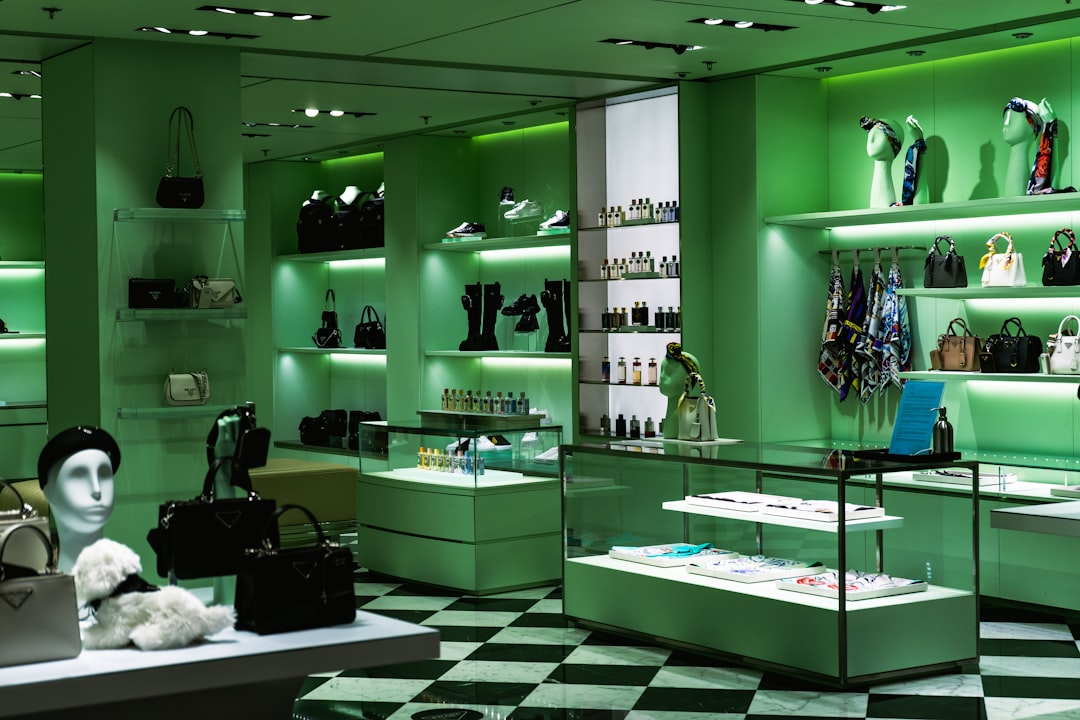
Use a fair to see grain, thickness, and finish in person, to ask who tans versus who trades, and to book sample shipments. Do not use a fair to negotiate a final bulk price on the aisle. Quotes given under hall lighting, without selection or Incoterms, are not purchase orders.
Typical events buyers mention include Lineapelle (Milan), APLF leather and materials shows, Premiere Vision Leather, national fairs such as India’s International Leather Fair, and regional exhibitions in China, Turkey, Brazil, and elsewhere. Dates and halls change. Verify the current edition and whether you need a buyer badge. This site does not run those events. For India-specific councils, fairs, and testing context, see export promotion resources for Indian leather.
Write the brief before you go
One page is enough:
- Product group: hides, bags, belts, footwear, garments (goods guide).
- Leather type, tannage, thickness, colour direction.
- Target quantity for a first order and for a repeat season.
- Markets and any test or labelling rules you already know.
- Three questions you will ask every booth: who produces, MOQ/sample policy, lead time.
Print it. Phone photos of a competitor bag are not a thickness spec.
At the booth
Touch the leather. Ask whether the hide on the table is the bulk quality. Ask if the company is a tannery, converter, or trader. For veg tan versus chrome, do not rely on colour; ask the process (tannage). For goods, ask where cutting and sewing happen. Photograph the sample with a card that shows exhibitor name and date. Collect a cutting if they allow it; label it immediately.
Skip booths that will not name a factory, will not sample, or quote only “genuine leather, best price.” That is not a specification.
After the show
Send the same written inquiry to every shortlisted name within a week. Attach your brief. Ask for quotations that include unit, selection, Incoterms, and sample cost. Compare like with like. Then sample. A fair follow-up that says “please send prices” wastes the walk you already did.
If you cannot travel, use exhibitor lists the same way: they are leads. Remote sourcing still needs cuttings, not PDF swatches alone, when colour and hand matter.
Common fair mistakes
- Visiting without a product or hide definition.
- Collecting too many cards and following up on none.
- Treating the booth sample as bulk without asking.
- Mixing tannery and factory quotes in one spreadsheet column.
- Promising volume you cannot order in order to get a cheaper sample.
A fair is useful when it shortens discovery. It does not replace inspection, documents, or a trial order. Bring the brief, take labelled cuttings, and finish the buying steps after you leave the hall.