Full Grain Leather for Product and Hide Buyers
Full grain leather is the outer hide with the grain surface left intact. It is the grade most often promised on premium bags, belts, and footwear, and the grade most often stretched in marketing. For buyers, the question is not whether the phrase sounds expensive. It is whether the grain was left uncorrected, how thick the leather is, how it was tanned, and what selection you will actually receive. Place it against other leather types before you treat it as a default.
What “full grain” should mean
The grain layer is the tightest fibre network in the hide. Leaving it in place keeps tensile strength and the natural pore pattern. Full grain can be aniline (little or no pigment, maximum character), semi-aniline, pull-up, or lightly finished. It should not be heavily sanded and then embossed to fake a grain. If a supplier buffs out scars and reprints a uniform grain, you are in corrected or top-grain territory even if the sales sheet still says full grain.
Ask for: uncorrected grain yes/no, finish type, thickness, tannage, animal, and a cutting that matches bulk. Photos of a show hide are not a thickness or selection standard.
Full grain vs top grain vs genuine
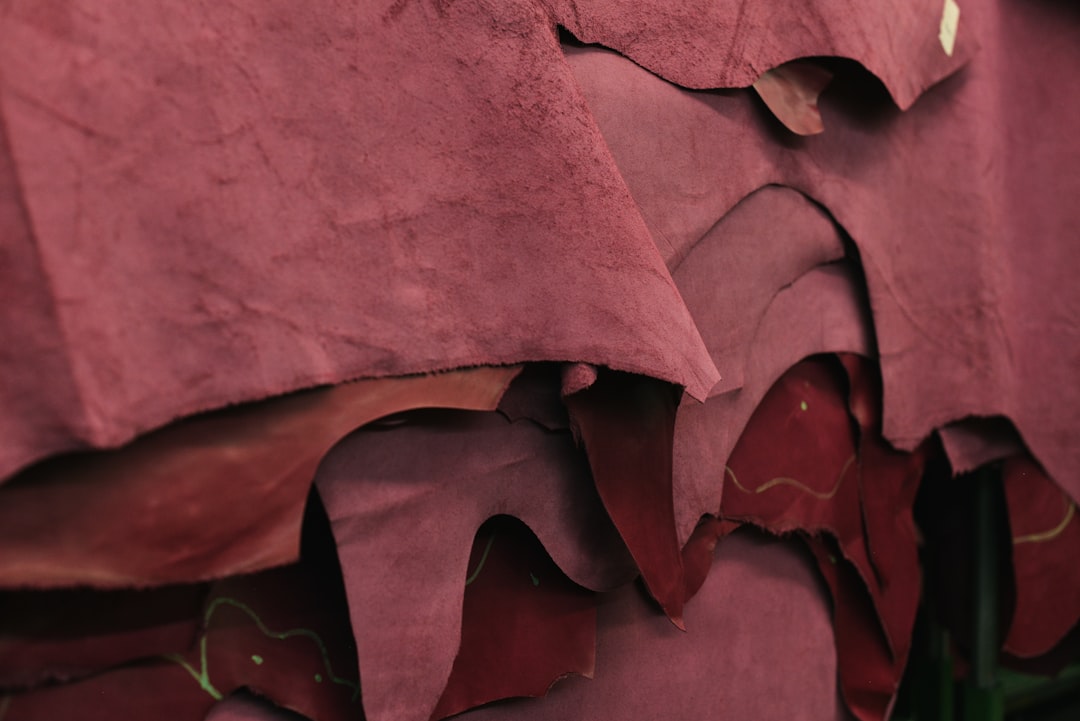
Top grain is still the grain split, but typically sanded and finished for uniformity. That can be the right call for colour-matched furniture or garments. Genuine leather, as a hangtag, does not rank quality; it often means a finished split. Full grain costs more per foot in part because yield is lower: brands, scratches, and veins stay visible, so cutters waste more hide to keep panels clean. A cheaper “full grain” quote that promises zero marks is a specification conflict, not a bargain.
Thickness, selection, and yield
Thickness is specified in millimetres or ounces (one ounce is about 0.4 mm). A 3–4 oz leather is not interchangeable with 7–8 oz for belts. Selection grades (often A/B/C or tannery codes) describe how much usable clean area you get. Tight selection raises the price per foot and lowers cutting waste. Loose selection does the reverse. For leather goods, agree whether price is per square foot of hide or per finished piece, and who absorbs cutting loss.
Tannage and hand feel
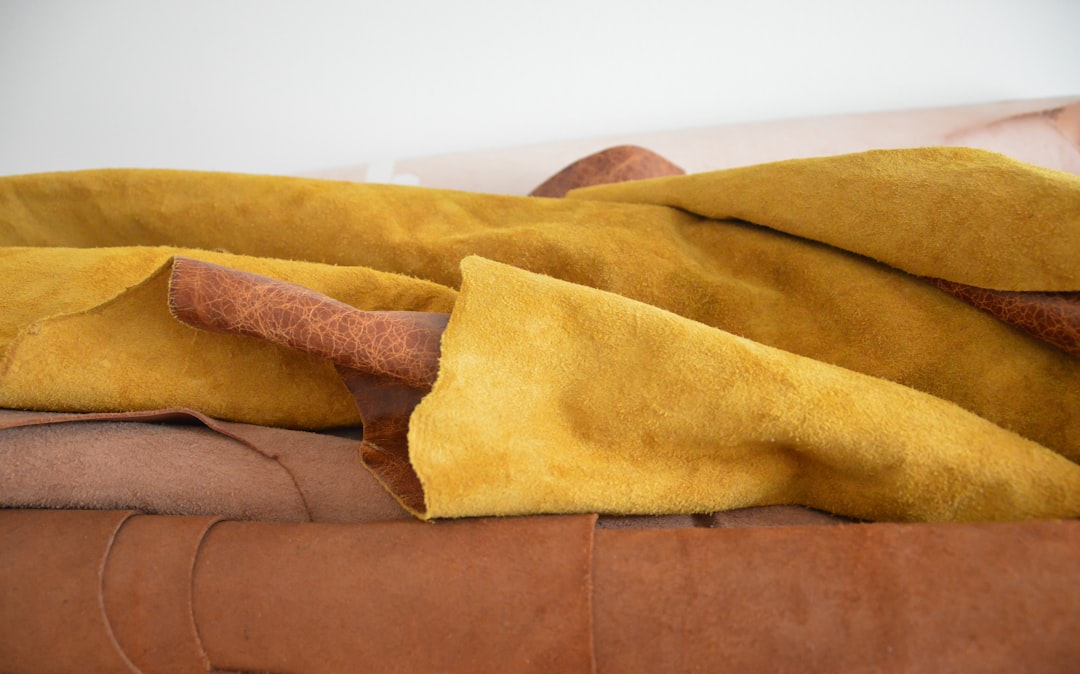
Chrome-tanned full grain is usually softer, faster to produce, and more water-resistant. Vegetable-tanned full grain is firmer, moulds, and darkens with use. Oil and pull-up finishes sit on either tannage and change scratch visibility. Name tannage in the RFQ. “Full grain brown leather” is not a tannage.
Where full grain is the right spec
- Belts and straps that need edge integrity.
- Bags and small leather goods meant to patina.
- Footwear uppers where crease behaviour and breathability matter.
- Furniture or saddlery seen and handled daily.
It is the wrong default for highly printed fashion that needs a perfectly even colour field, or for linings where a split or textile is enough. Children’s products, automotive, and upholstery may add flammability, colour-fastness, and restricted-substance tests that the tannery must confirm against your market.
Buyer checks
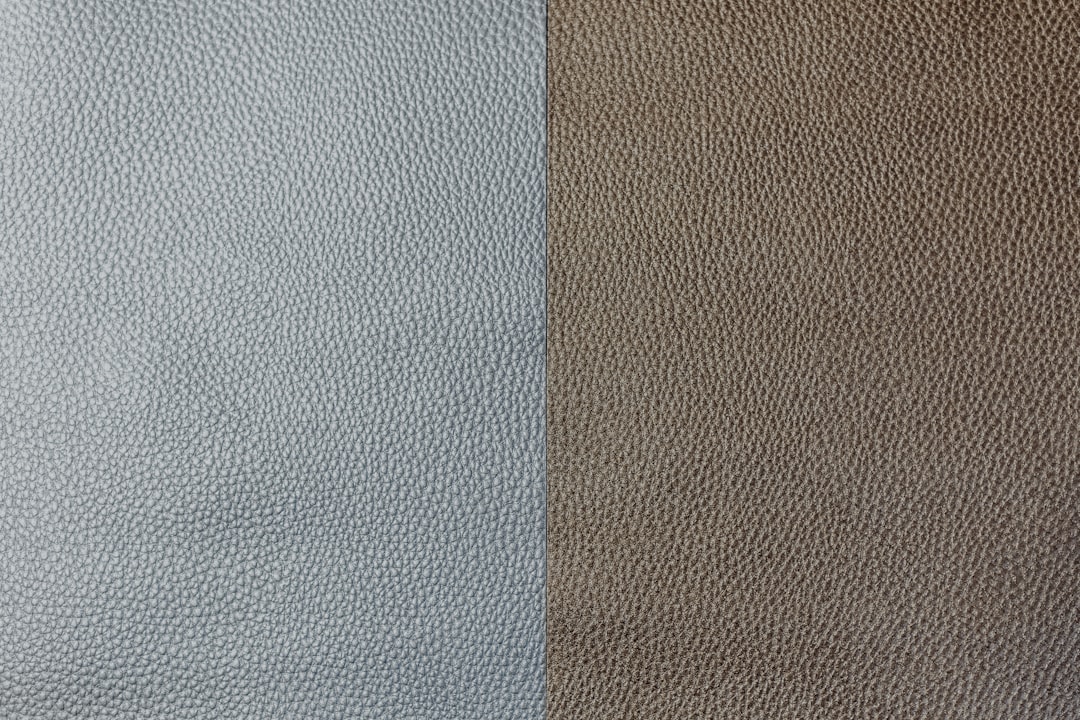
- Confirm uncorrected grain in writing, not only in a catalogue title.
- Match thickness and tannage across quote, sample, and bulk.
- Approve a physical cutting; seal it as the bulk reference.
- Ask how brands, insect bites, and fat wrinkles are graded.
- For piece goods, confirm whether the maker buys hides or you supply leather.
Full grain is a construction, not a brand. Specify it the way you would specify a fabric: layer, finish, weight, and use. Then sample. The sourcing sequence is the same whether you buy sides from a tannery or finished bags from a workshop.