

India Fashion Materials Export Guide
LeatherLine focuses on leather, footwear, and leather goods, but many buyers compare leather with neighboring fashion materials. A brand may source leather bags, cotton dust bags, metal trims, textile straps, embroidered panels, synthetic linings, silk scarves, canvas totes, and mixed-material accessories as part of the same buying program. Understanding this wider material landscape helps buyers choose the right product strategy.
Leather within the fashion-materials mix

Leather offers durability, structure, premium feel, repairability, and natural variation. It is often used where touch, long-term wear, and perceived value matter. It also requires careful grading, cutting, finishing, and compliance management. Buyers should use leather where the material adds real value, not simply because it sounds premium.
Textiles, canvas, silk, synthetic materials, and mixed constructions can be better for lightweight products, printed designs, seasonal accessories, lower price points, or vegan positioning. Many commercial products combine materials: leather handles on textile bags, leather trims on canvas goods, textile linings inside leather products, or silk accessories sold alongside leather collections.
When to use mixed-material sourcing
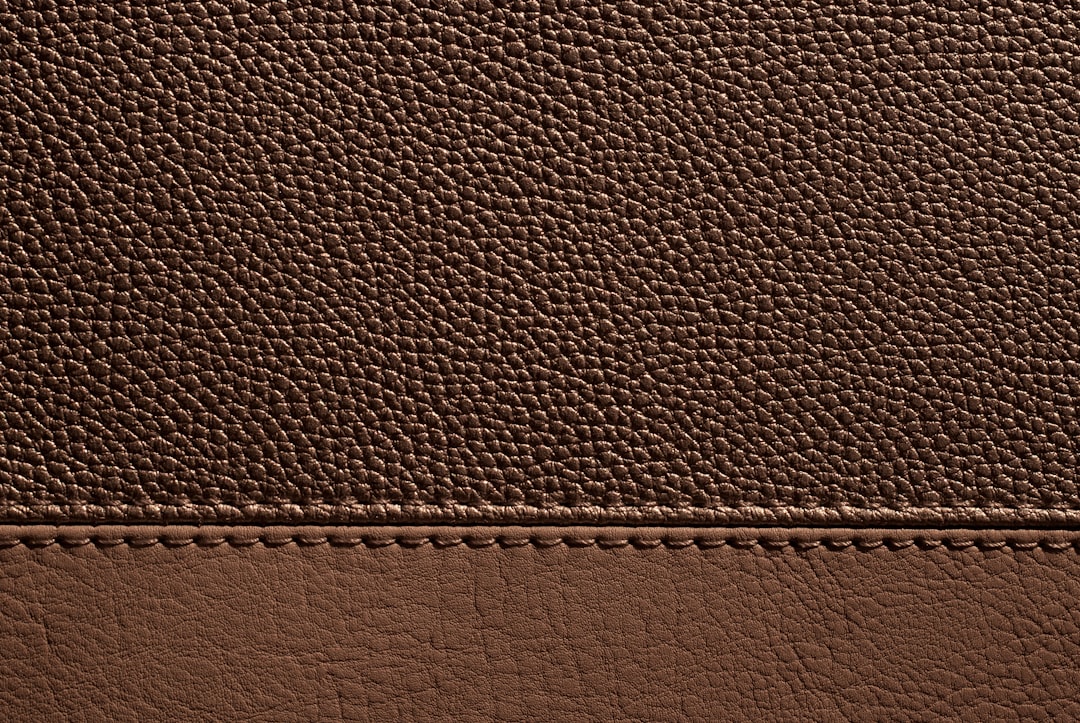
Mixed-material sourcing is useful when the product needs cost control, design contrast, weight reduction, color variety, or seasonal refresh. It also helps brands create broader collections without making every item expensive. However, mixed materials introduce extra risks: color bleeding, differential shrinkage, incompatible adhesives, weak seams, metal corrosion, and inconsistent supplier responsibility.
Buyer questions
- Which material is the main value driver of the product?
- Which material creates the highest compliance or performance risk?
- Can one supplier handle all materials, or is consolidation needed?
- Are trims, linings, packaging, and labels approved with the same discipline as the main material?
- Will the product be sold as leather, mixed material, textile, or fashion accessory?
Why this matters for India sourcing
India has overlapping capabilities in leather, footwear, textiles, garments, accessories, embroidery, metal trims, and packaging. Buyers can use that variety to create more complete collections, but they should avoid assuming that every supplier can manage every material. The best sourcing plan assigns each product to the supplier type that can control its most important risk.