Leather Types Explained for Buyers
Leather types are not marketing nicknames. They describe which layer of the hide you are buying, how the grain was treated, and how much of the original surface remains. Retail hangtags often collapse those facts into “genuine leather.” A sourcing specification cannot. This page is the map of common grades and constructions so a buyer inquiry names the same material the supplier will ship.
Full grain
Full grain leather keeps the complete grain surface. Hair follicles, growth marks, and insect bites stay visible unless they are dyed, not sanded away. It is the strongest common grade because the tight fibre structure at the grain is intact. It develops patina. It also shows natural variation, so selection (A, B, C, or mill-specific grades) and cutting yield matter as much as the headline price per square foot.
Specify full grain when the product needs durability, a natural surface, and aging. Bags, belts, footwear uppers, and furniture that will be seen close-up are typical uses. Do not assume “full grain” on a website listing. Ask whether the grain is uncorrected, and request a cutting or hide sample.
Top grain and corrected grain
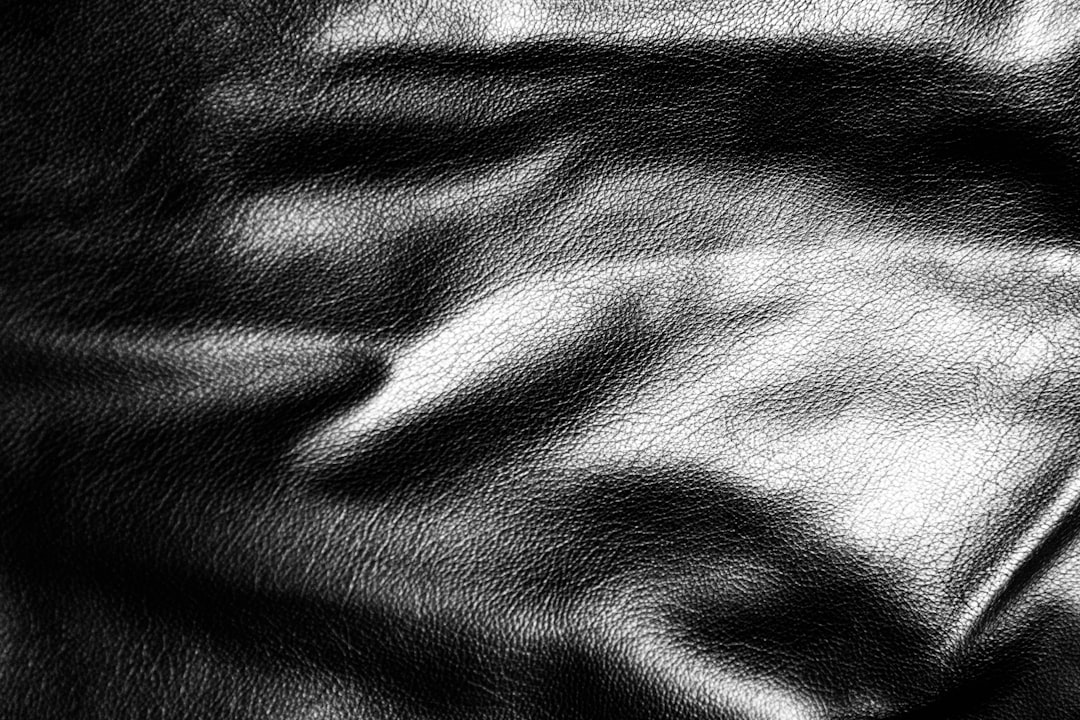
Top grain usually means the outer layer after the split, with the grain lightly sanded or buffed to remove scars, then finished for a more uniform look. Corrected grain goes further: pigment, embossing, or a heavy finish hides the original surface. These leathers can still be excellent for garments, colour-critical programs, and products that need stain resistance. They will not behave like uncorrected full grain. Quotes for “top grain” without finish type, thickness, and pigment level are not comparable.
Genuine leather
“Genuine leather” is a legal-ish label in some markets meaning the product contains real leather, not a quality rank. In trade it often points to split leather with a finish, or a corrected surface. Treat the phrase as a warning to ask more questions, not as a grade. If a supplier’s only description is genuine leather, ask for hide layer, thickness in millimetres or ounces, tannage, and finish.
Split, suede, and nubuck
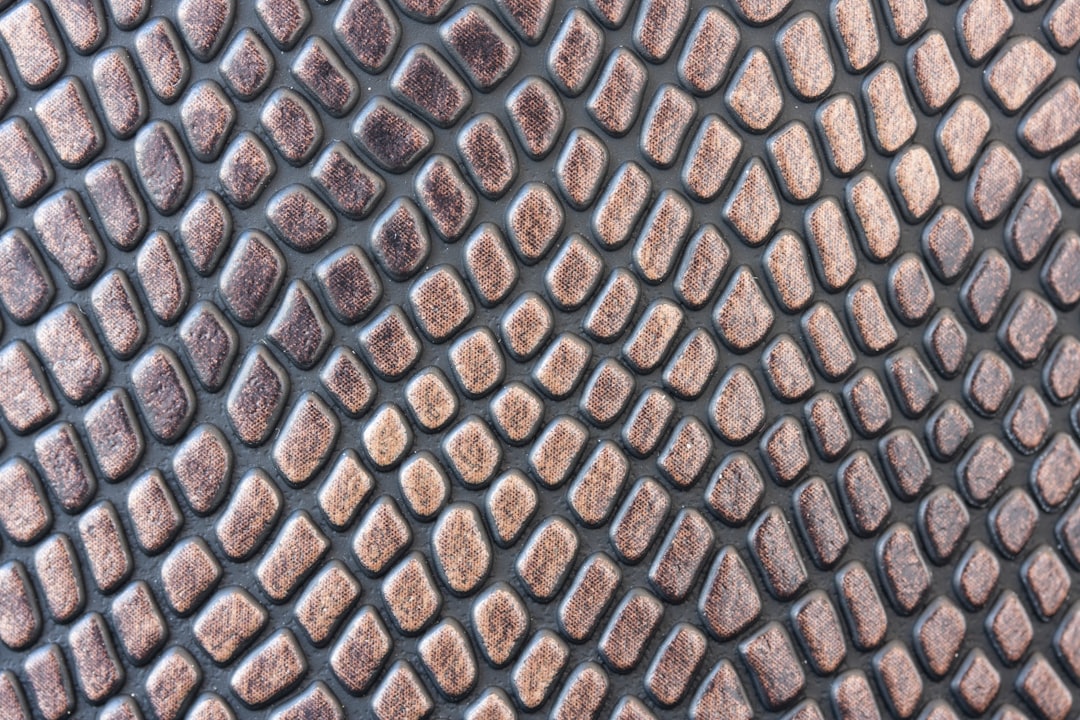
After the grain layer is taken, the remaining hide is split leather. Suede is typically the flesh or split side, buffed to a nap. Nubuck is the grain side, lightly sanded so the surface is velvety but still a grain leather. Splits are used for linings, suede garments, and some footwear. They are weaker than full grain of the same thickness. Nubuck marks and water-spots more easily than a pigmented top grain; care and finish (aniline, semi-aniline, nubuck protector) belong in the spec.
Bonded leather and coated splits
Bonded leather is shredded leather fibre with a binder, usually with a polyurethane face. Coated splits put a thick polymer layer on a leather base. Both can be specified honestly for cost-sensitive upholstery or promotional goods. They are not full grain. If the brief is “real leather look at a PU price,” read leather vs PU before you send RFQs that mix those materials in one price column.
Species and end use
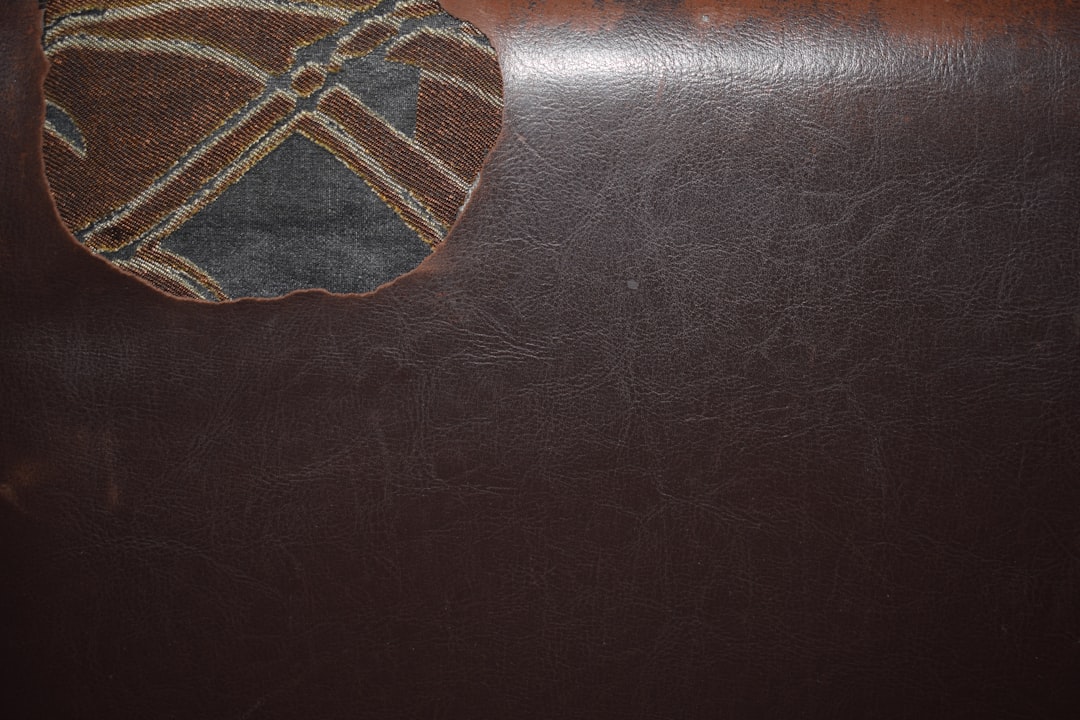
Cow, calf, goat, sheep, buffalo, and pig each change fibre tightness, pore pattern, and typical thickness. Goat is common for gloves and some footwear. Calf is finer for small leather goods. Upholstery and automotive programs often need large, consistent cow hides. Name the species when it matters; do not assume “leather” means bovine.
What to write on the order
A usable leather type line includes:
- Layer: full grain, top grain, split, nubuck, or suede.
- Whether the grain is corrected or uncorrected.
- Thickness, tannage (veg tan or chrome), and finish (aniline, pigmented, pull-up, oil).
- Selection and intended product (bags, belts, footwear).
If you cannot fill every field, describe the finished product and ask the tannery or maker to propose two qualities with samples. Leather types only help when both sides use the same words for the same hide. For India tanneries, tests, and restricted-substance questions, see tannery and leather compliance.