
Leather vs PU Leather for Sourcing
Material choice is a specification decision, not a branding slogan. Buyers often start with “leather” and then discover that polyurethane-coated fabric (PU), PVC, bonded leather, or a corrected split may fit the price, care label, and production plan better — or much worse. This page compares those options for bags, footwear, garments, and upholstery so the inquiry names the right face material from the first email.
When leather is the right specification
Leather is the right call when the product needs breathability, a natural grain, repairability, and aging. Typical uses include full grain bags and belts, footwear uppers, saddlery, and furniture that will be handled for years. Trade-offs are hide variation, higher material cost, more careful colour matching, and animal-origin documents in some markets. If the customer expects patina and a hide smell, substituting PU is a different product, not a cheaper version of the same SKU.
Name the leather type and tannage. “Real leather” on a hangtag does not tell a factory which split to buy.
What PU leather actually is

PU leather is a textile (often polyester knit or woven) with a polyurethane coating, sometimes embossed to look like grain. It is consistent in colour and width, usually cheaper per metre than hide, and easy to wipe. It does not breathe like leather. Coatings crack, peel, or sticky-age, especially in heat and flex (shoe vamp, bag fold, car seat). Thickness is coating plus fabric, not hide millimetres. Quotes in square metres of PU are not comparable to square feet of hide without converting and without stating wear tests.
PVC-coated materials are another family: often stiffer, with different plasticiser and recycling issues. Do not write “PU” if the mill is selling PVC.
Bonded leather and coated splits
Bonded leather mixes leather fibre with binder and a polymer face. Coated splits are leather with a thick synthetic layer. Both can be specified for cost-sensitive upholstery or promotional goods if the label is honest. They fail if you need full grain performance or if the brief forbids plastic faces. Abrasion, peel, and flex tests matter more than the word leather on the back of the sample.
Labelling and customer claims
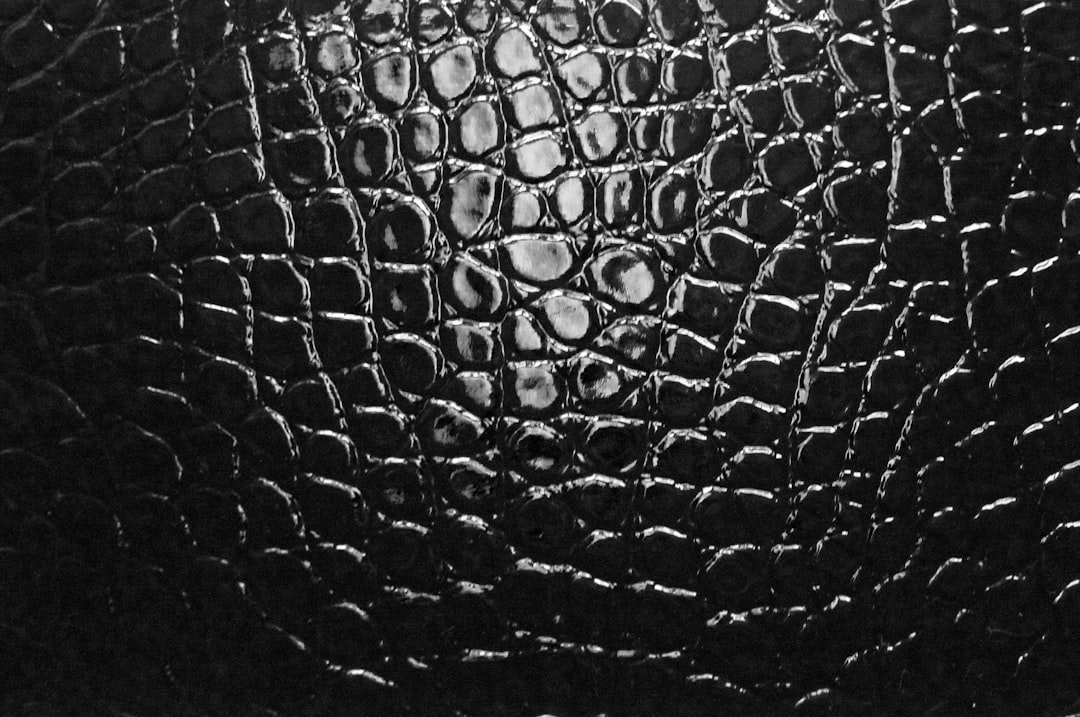
Markets differ on what may be called leather. Some restrict “leather” when the wearing surface is mostly plastic. “Genuine leather,” “vegan leather,” and “leather look” are not synonyms. If you sell into the EU, UK, or US, check current labelling rules with your advisor; this page is not legal advice. Internally, keep three columns: animal leather, coated textile, bonded/coated split. Mixing them in one RFQ produces garbage comparisons.
When PU is the right specification
- Fashion bags that must match a Pantone across huge runs.
- Rain-exposed or wipe-clean products where hide care is a complaint risk.
- Price architecture that cannot absorb hide yield loss.
- Animal-free lines, if that is an actual product requirement — then say coated textile, not “leather.”
When PU is the wrong substitute: heritage belts, welted shoes, goods sold on patina, or any claim that the item will last like thick hide.
What to put in the RFQ
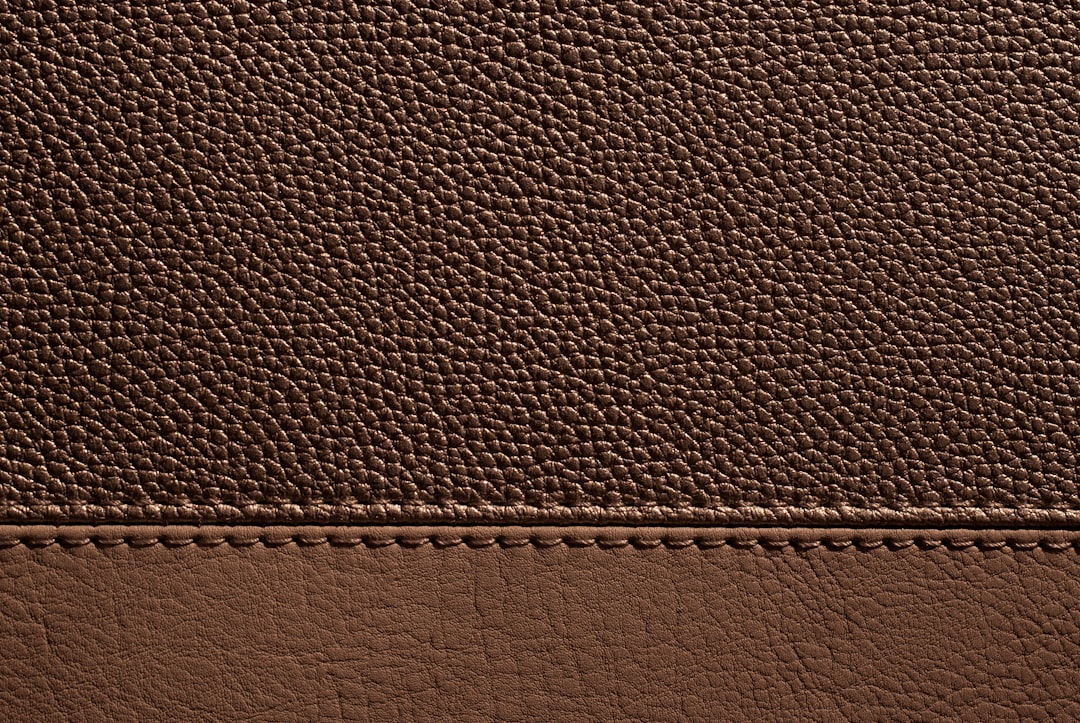
For leather: type, thickness, tannage, finish, selection. For PU: substrate, coating thickness, emboss, colour method, and wear/flex tests. For finished goods, state which panels may be PU (piping, lining, under-flap) and which must be hide. A bag that is “leather” on the front and PU on the back needs that in writing or you will not know what you approved.
Choose the material that matches the use, then sample both if you are unsure. Do not ask one factory for “leather or PU, whichever is cheaper” without defining either. For mixed-material bags and trims sourced from India, see the fashion materials export guide.