
India Leather Export Guide for Buyers
India's leather export sector is not a single product market. It is a connected chain that starts with hides and skins, continues through tanning and finishing, and ends in finished products such as footwear, bags, garments, gloves, saddlery, accessories, and industrial components. For buyers, the first mistake is treating every leather supplier as the same type of company. A tannery, a footwear factory, a leather-goods workshop, and a merchant exporter can all be useful, but they solve different problems.
A good sourcing plan begins by defining the product group precisely. “Leather goods” is too broad. A buyer should separate full-grain bags, corrected-grain wallets, suede garments, leather uppers, finished leather sheets, safety footwear, fashion sandals, work gloves, equestrian products, and branded private-label accessories. Each category has different material requirements, tooling needs, testing expectations, production flow, and minimum order economics.
Main product groups
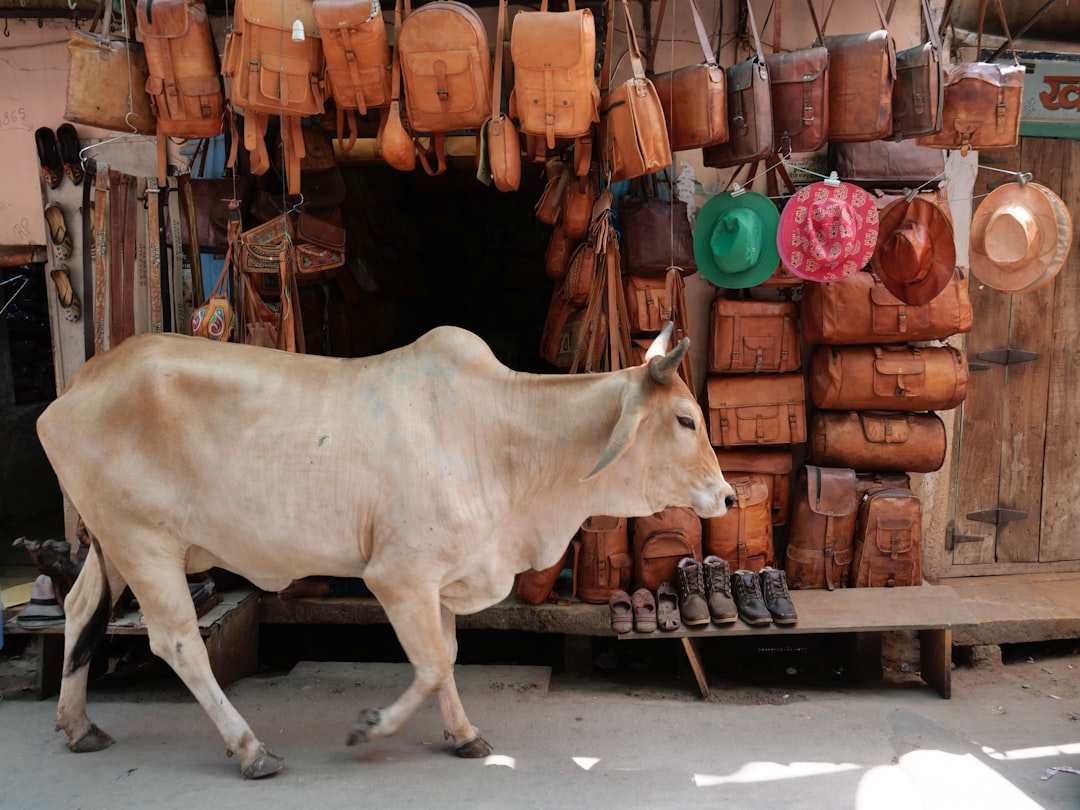
Finished leather is sold by area, grade, finish, substance, color, and use case. Buyers must define whether they need leather for footwear uppers, linings, bags, garments, belts, upholstery, gloves, or small accessories. The same hide can perform differently after tanning, retanning, dyeing, finishing, and embossing.
Footwear includes leather shoes, non-leather footwear, sandals, boots, slippers, safety footwear, uppers, soles, insoles, and components. Footwear buyers usually need the clearest technical file because fit, sole bonding, flexing, abrasion resistance, material performance, and labeling requirements can become claims issues.
Leather goods and accessories include bags, wallets, belts, cases, watch straps, laptop sleeves, key holders, portfolios, and gift items. These are design-sensitive products. Small differences in lining, edge paint, stitching density, zipper grade, hardware finish, and packaging can change both quality perception and landed cost.
Garments and gloves require careful grading, pattern efficiency, color matching, softness, thickness, and sizing control. Buyers should be very clear about intended markets because garment labeling, restricted substances, and testing expectations can differ from market to market.
What makes India attractive for buyers
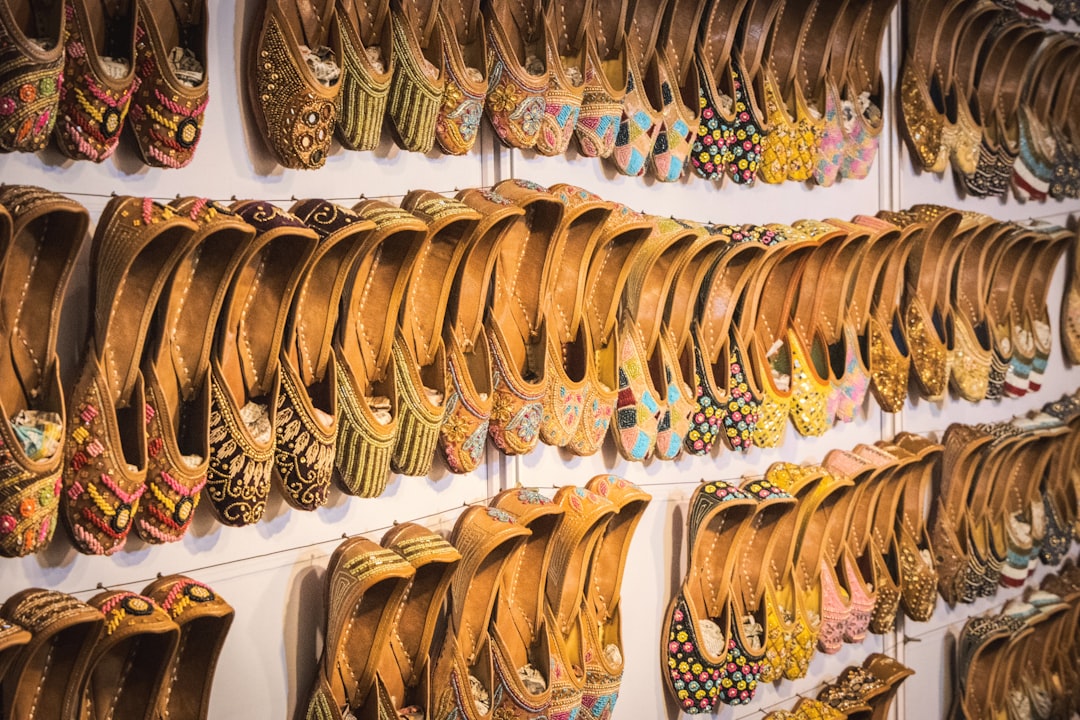
India has a long leather and footwear tradition, a large labor base, developed product clusters, export experience, and a broad set of suppliers ranging from small specialist units to organized exporters. Buyers may find value in design development, flexible order sizes, hand-finishing capabilities, ornamentation, mixed-material products, and product categories where skilled stitching and assembly still matter.
The practical advantage is not only low-cost production. For many buyers, India is useful because it offers variety: traditional leather goods, contemporary accessories, fashion footwear, safety footwear, finished leather, and hybrid materials. The challenge is that variety makes supplier selection more important. A strong supplier for wallets may be a poor fit for boots. A tannery may understand leather performance but not retail packaging. A trading company may offer convenience but less production control.
Buyer decision points
Before asking for quotations, define the product specification, expected order volume, target market, compliance expectations, packaging level, acceptable lead time, and development stage. Buyers often ask for a price too early. A better first conversation asks whether the supplier has produced similar goods, whether they can show export references, what materials they normally work with, what tests they can support, and which parts of production are in-house.
For leather products, small details are large risks. Ask how leather is selected and graded, how color lots are controlled, how hardware is sourced, how edge finishing is inspected, how adhesives are managed, how packing is done, and how nonconforming pieces are handled. A supplier that answers these questions clearly is usually easier to work with than one that only responds with a low unit price.
Related LeatherLine guides