
Leather Goods Sourcing Guide for International Buyers
Leather goods export is several trades sharing one material word. Bags, small leather goods, belts, footwear, garments, and saddlery use different hides, constructions, hardware, and factories. This guide is the map: which product group you are in, what to specify before anyone can quote, and how to research makers without treating a directory listing as an approval. Step-by-step buying sits in how to source leather. For India factories and exporters, see leather goods exporters in India and bags and fashion accessories.
Typical product groups
Name the group in the first sentence of your email.
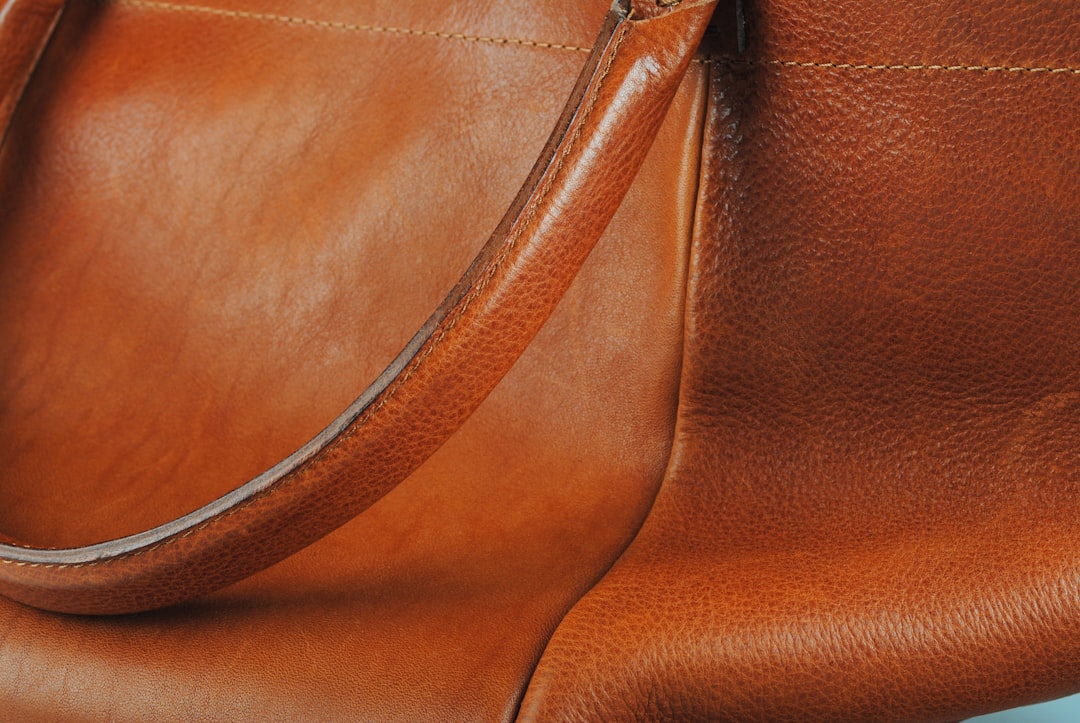
- Bags and luggage — construction (unlined, lined, structured), size, hardware, stitching, and whether leather is full grain or corrected. Lining, zipper brand, and edge paint or burnish change cost as much as the hide.
- Small leather goods — wallets, card cases, key fobs. Thickness, skiving, and edge finish dominate. Calf and goat appear more often than thick cow.
- Belts and straps — veg-tan or firm chrome, thickness, buckle spec, hole spacing, and whether the belt is cut from a bend or built in layers.
- Footwear — uppers, linings, soles, lasts. A shoe factory is not a bag workshop. Lasts, sizing, and comfort tests sit outside a hide quote.
- Garments — jackets, trousers, gloves. Softness, weight, and seam strength matter; chrome-tanned sheep or goat is common. Cleaning instructions belong on the label.
- Hides and crust — you buy material, not a finished SKU. Specify type, tannage, thickness, and selection; you (or your factory) cut it.
Craft workshops and industrial lines should not share one price request. Handmade variation, longer lead time, and limited repeatability are features of one and defects of the other.
Specify the product before you ask for a price
“Send leather bag prices” cannot be answered well. A usable inquiry includes:
- Product type, dimensions, and reference photos or a tech pack.
- Leather type, thickness, colour, and finish.
- Hardware, lining, thread, and edge treatment.
- Quantity, packing, labelling, and destination market.
- Tests or restricted-substance requirements if you sell in regulated markets.
If you lack a tech pack, describe the finished item and ask the maker to propose two constructions with samples and a bill of materials.
Who you are talking to
Ask whether the company is a tannery, a leather-goods factory, a merchant exporter, or a buying office. A tannery sells material. A factory cuts and sews. A trader may combine both and add a margin. Each can work. You still need to know who controls tanning, cutting, sewing, packing, and documents. Useful early questions: regular product range, MOQ, sample policy, colour repeatability, testing support, Incoterms, and how quality complaints are handled.
Quality, labels, and documents
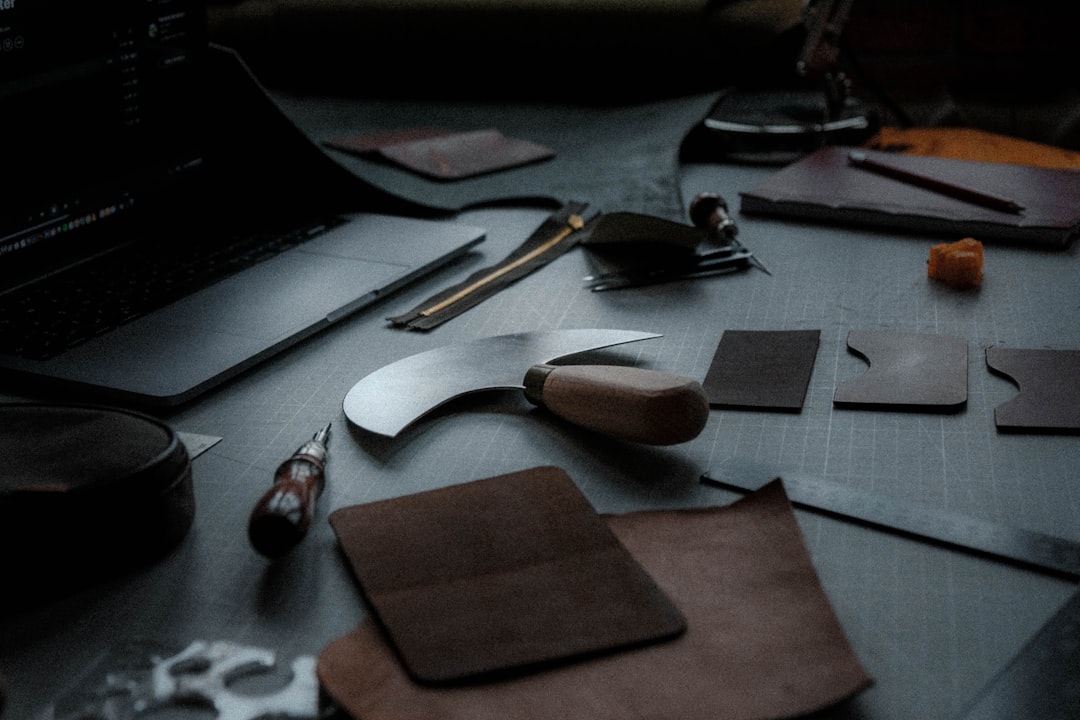
Plan for colour fastness, finish rub, stitch density, hardware corrosion, composition claims, and care labels. Footwear and children’s products need different checks from a fashion wallet. Photos are not a standard. Approve a physical sample, write down leather, colour, hardware, and workmanship, and keep that reference for bulk.
Where to research names and events
Leather trade fairs, exhibitor lists, and tannery or factory directories help you find companies. They do not certify them. Prepare a product brief before a fair, then follow up in writing with the same specification you used at the booth.
Buyer checklist
- Name the product group and end use before asking for prices.
- Separate hide purchases from finished goods.
- Know the supplier’s role in tanning, cutting, and export.
- Sample, then seal a reference for bulk.
- Match leather type, thickness, and hardware before comparing quotes.
- Agree Incoterms, lead time, inspection, and documents in writing.
The more specific the request, the more comparable the offers. Vague leather inquiries produce prices that look attractive and describe a different bag.