

Footwear Manufacturers in India: Buyer Sourcing Guide
Footwear sourcing is one of the most technical parts of the leather and fashion-material supply chain. A shoe is not only an upper and a sole. It is a fitted product with performance expectations, size consistency, flexing behavior, bonding requirements, labeling rules, packaging needs, and retail return risk. Buyers should evaluate Indian footwear manufacturers with more discipline than they might use for simpler accessories.
India offers a wide range of footwear production, including leather shoes, sandals, slippers, boots, casual footwear, uppers, safety footwear, components, and mixed-material styles. The right factory depends on construction type, target price, market, order volume, material specification, and testing requirements.
Define footwear type before supplier search
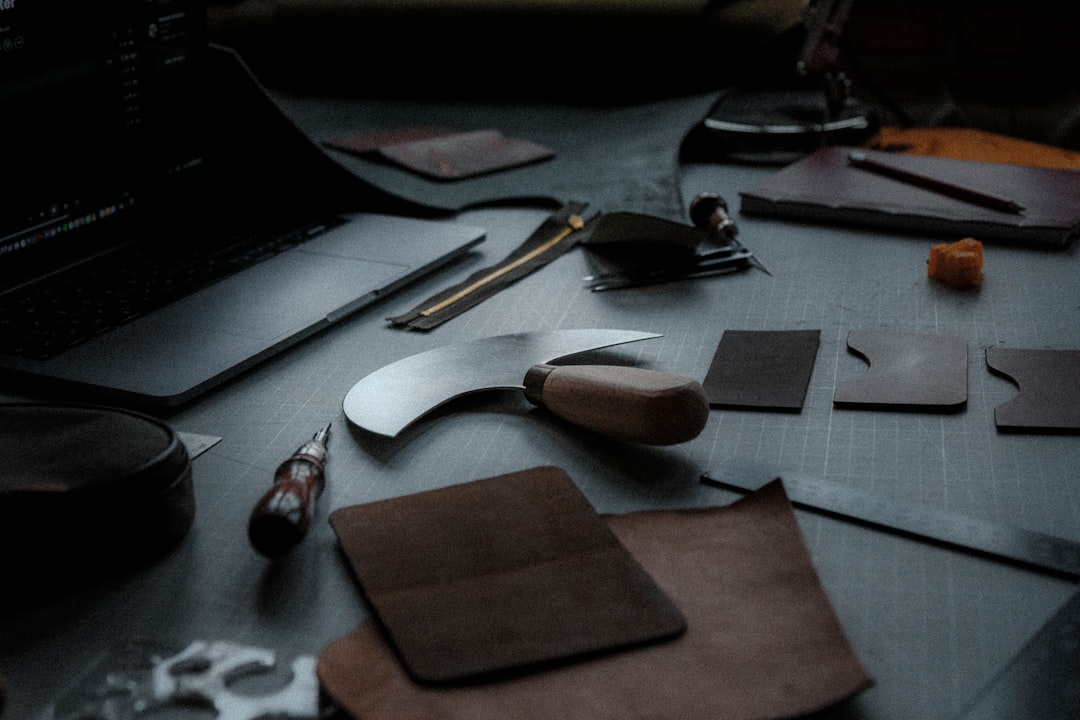
A factory that produces open sandals may not be suitable for formal shoes. A safety footwear manufacturer may not be right for fashion boots. A unit making uppers may not have full shoe assembly. Before contacting suppliers, identify the footwear category, construction method, gender and size range, upper material, lining, sole material, comfort features, testing needs, packing method, and target market.
Buyers should also define whether they need original design support, private-label production, ready-made catalog styles, OEM production from a technical file, or component sourcing. Each approach changes the timeline and commercial discussion.
Technical areas to inspect
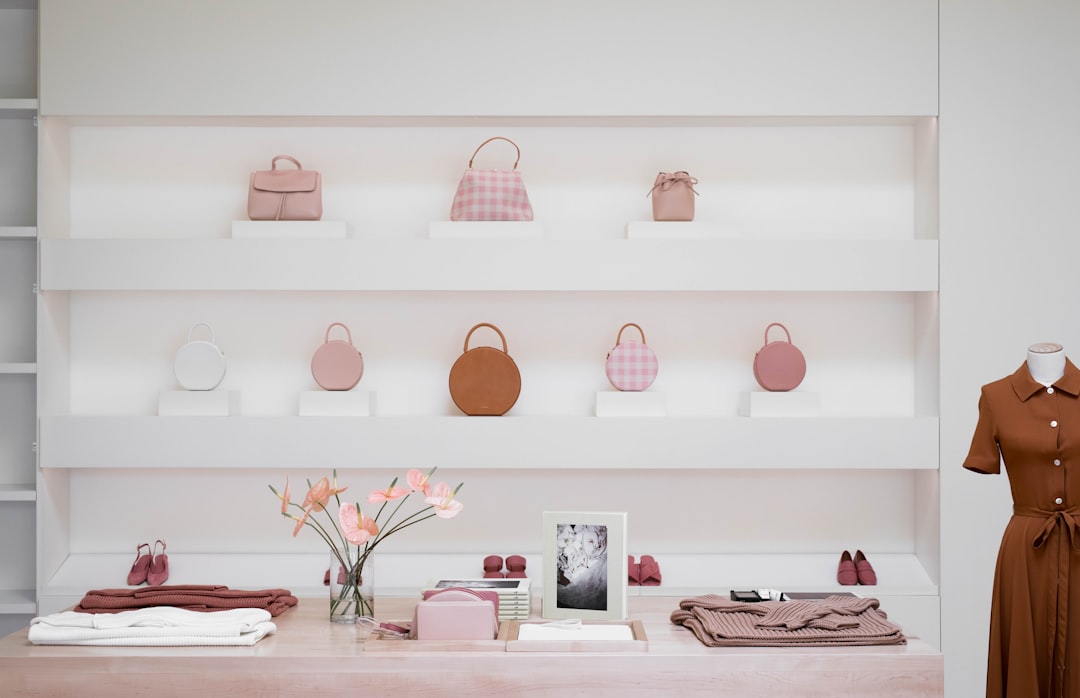
- Last and fit: fit consistency determines whether the product can be sold repeatedly without return problems.
- Upper material: leather grade, thickness, softness, grain, shade, and finish must match the intended use.
- Sole attachment: cemented, stitched, direct injection, vulcanized, or other constructions require different control points.
- Flexing and bonding: ask how the supplier checks sole bond strength, flex resistance, and delamination risk.
- Components: insoles, counters, toe puffs, shanks, eyelets, zippers, laces, and adhesives affect durability.
- Packaging: export cartons, retail boxes, labeling, moisture control, and packing sequence matter for delivery condition.
Sample development process
Good footwear development normally moves through reference sample, prototype, revised sample, size set, pre-production sample, and bulk approval. Skipping steps can save time in the short term and create expensive claims later. Buyers should document each revision clearly, including photos, measurements, materials, outsole reference, color codes, stitching changes, logo placement, packaging, and labeling.
For private-label footwear, sample comments should be written like a production record, not casual messages. If a change is important, it should appear in the technical file and on the final approved sample.
Commercial questions
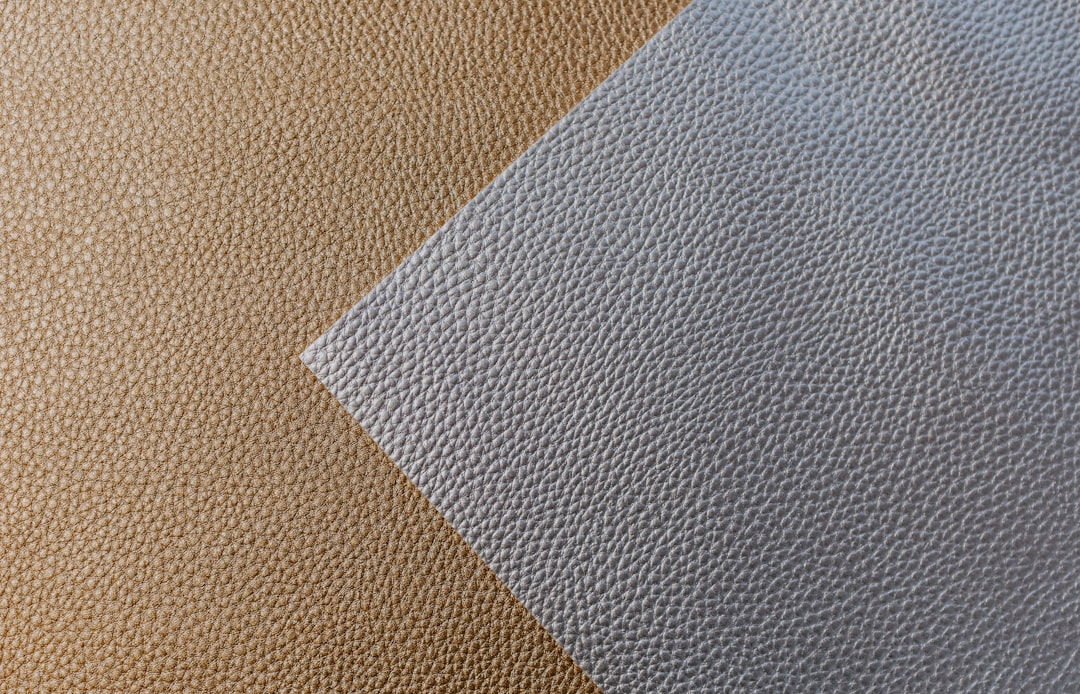
Footwear MOQs may depend on sole molds, leather colors, size breakdown, component sourcing, and packaging. Ask whether the factory can support mixed sizes and colors, whether mold charges apply, how long components take, and whether repeats can be produced faster after the first order. Buyers should also clarify claims handling before production begins.