Vegetable Tanned Leather vs Chrome Tan
Tannage is the chemistry that turns hide into leather. Buyers who skip it compare prices for different materials. Vegetable tanned leather (veg tan) uses plant tannins. Chrome tan uses chromium salts. Most of the world’s leather is chrome-tanned because it is faster and more versatile. Veg tan remains the specification for tooling, moulding, belts, some saddlery, and goods that should darken and firm with use. This page is how to choose, not a purity contest.
What vegetable tanning does
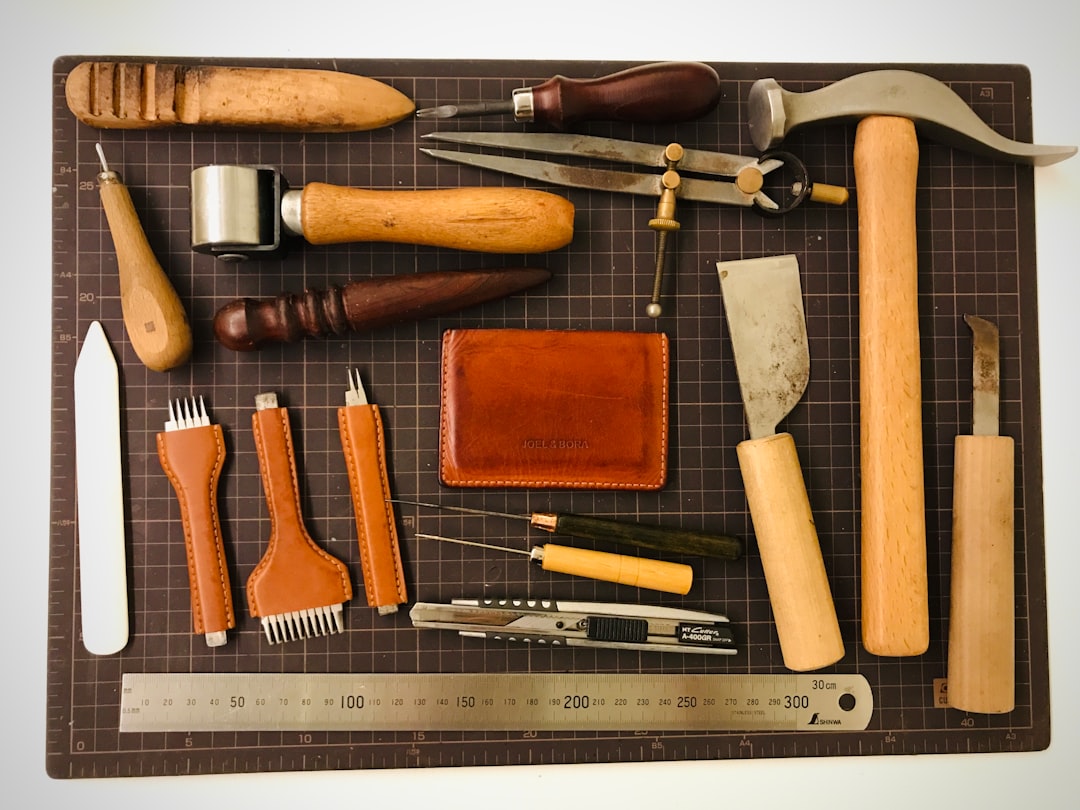
Plant tannins (from bark, pods, leaves, depending on the tannery) bind collagen and produce a firmer, more formable leather. Veg tan takes a burnish on cut edges, holds stamped or carved detail, and develops a warm patina. It is typically more sensitive to water spotting unless finished. Production is slower than chrome. Colour range is narrower unless the tannery also dyes or finishes after the vegetable process.
Combination tannages exist: vegetable then chrome, or the reverse. If the product needs veg-tan character with extra softness, ask whether the leather is pure veg, combination, or chrome with a veg-look finish. Those three are not the same quote.
Chrome tan in plain terms
Chrome tanning yields a soft, stretchy, often pale-blue wet-blue that can be retanned, dyed, and finished into almost any leather type. It suits garments, many footwear uppers, upholstery, and high-volume bags. It is usually more water-resistant in the fibre than unfinished veg tan. Restricted-substance rules (chromium VI, azo dyes, formaldehyde, and others) still apply. “Chrome-free” is a separate claim; do not treat it as automatic because a sales sheet says eco.
Wet-blue, crust, and finished
Hides move through stages:
- Wet-blue — chrome-tanned, not yet dyed or finished. Bought by tanneries and converters, not by most brands.
- Crust — tanned and dried, little or no finish. Common for veg tan that the maker will dye, oil, or tool.
- Finished leather — colour and surface ready to cut.
State the stage. A crust veg-tan side is not a finished lining leather. Thickness after finishing can change; agree millimetres on the leather you will cut.
When to specify veg tan
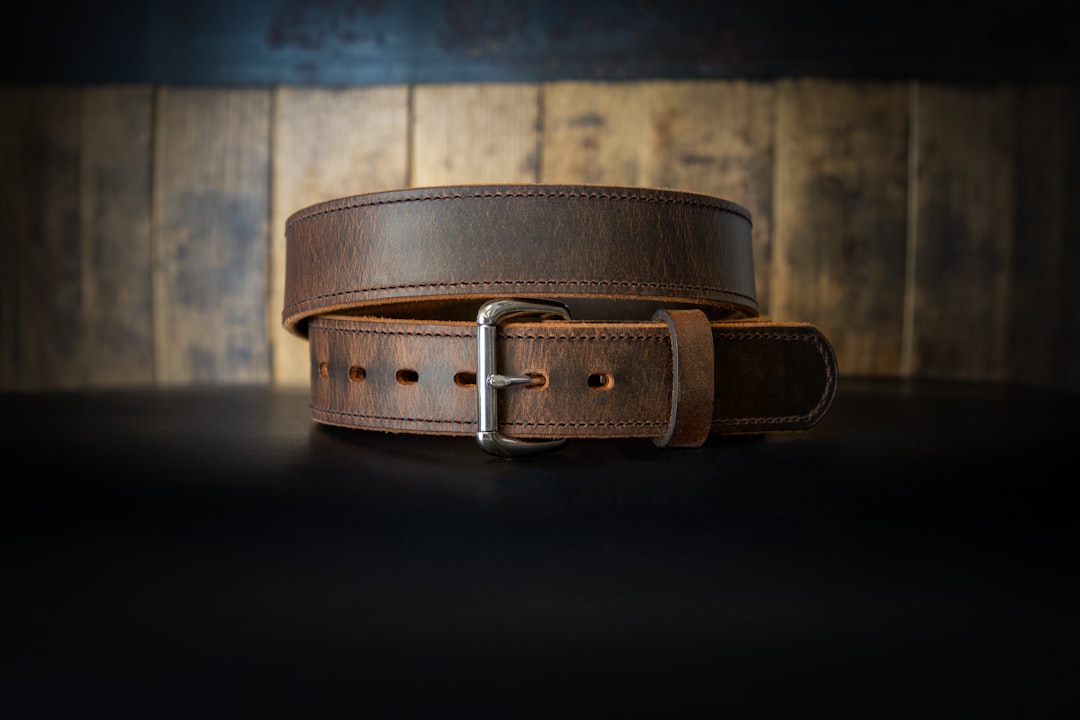
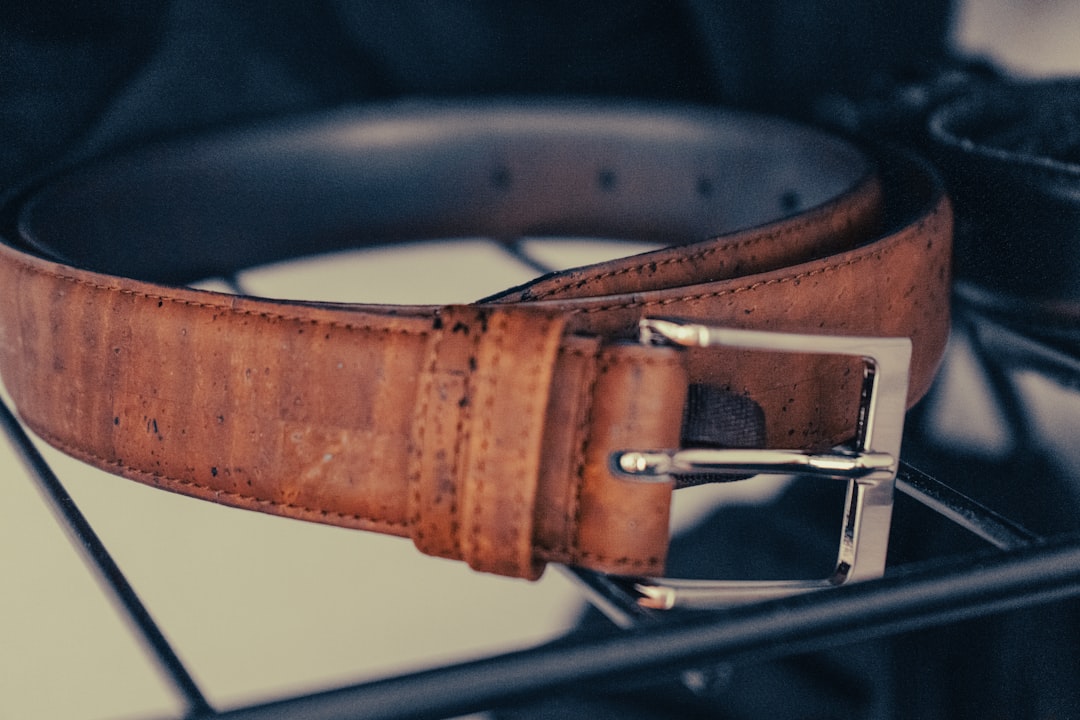
- Belts, straps, and goods with burnished edges.
- Tooled, carved, or wet-moulded pieces.
- Full grain small leather goods that should age visibly.
- Saddlery and some heritage footwear welts or counters.
When not to: washable garments, many athletic shoes, large upholstery programs that need uniform colour and stain resistance, or any brief that really wants a coated look. Those belong with chrome tan, pigmented finishes, or PU.
Lead time, smell, and care
Veg tan can smell of tannins; chrome goods smell of finish. Neither smell is a quality grade by itself. Veg-tan lead times are often longer, especially for unusual colours. Care labels differ: unfinished veg tan marks with water; pigmented chrome is easier for the end customer. Put care and finishing in the spec if you sell to retailers who will be asked.
What to put in the RFQ
- Tannage: vegetable, chrome, or named combination.
- Stage: crust or finished; finish type if finished.
- Thickness, species, selection, and colour or oil pull-up.
- End use: belt, bag, shoe upper, lining.
- Tests required for the destination market.
Tanneries quote what they make. A chrome house will not become a veg-tan specialist because you asked. Use trade fairs and samples to confirm the process, then freeze tannage on the purchase order the same way you freeze product type.