

Leather Goods Exporters in India: Buyer Guide
Leather goods sourcing covers a wide range of products: wallets, belts, handbags, laptop sleeves, card holders, cases, folders, key accessories, travel goods, watch straps, gift items, and lifestyle products. These goods appear simple, but quality differences are highly visible. A buyer should inspect stitching, edges, lining, hardware, leather selection, reinforcement, packaging, and finishing details before judging price.
India can be attractive for leather goods because many products still benefit from skilled cutting, stitching, assembly, and finishing. Buyers who need flexible designs, smaller product families, mixed materials, craft details, or private-label accessories may find useful suppliers, but only if specifications are clear.
What separates strong exporters from weak ones
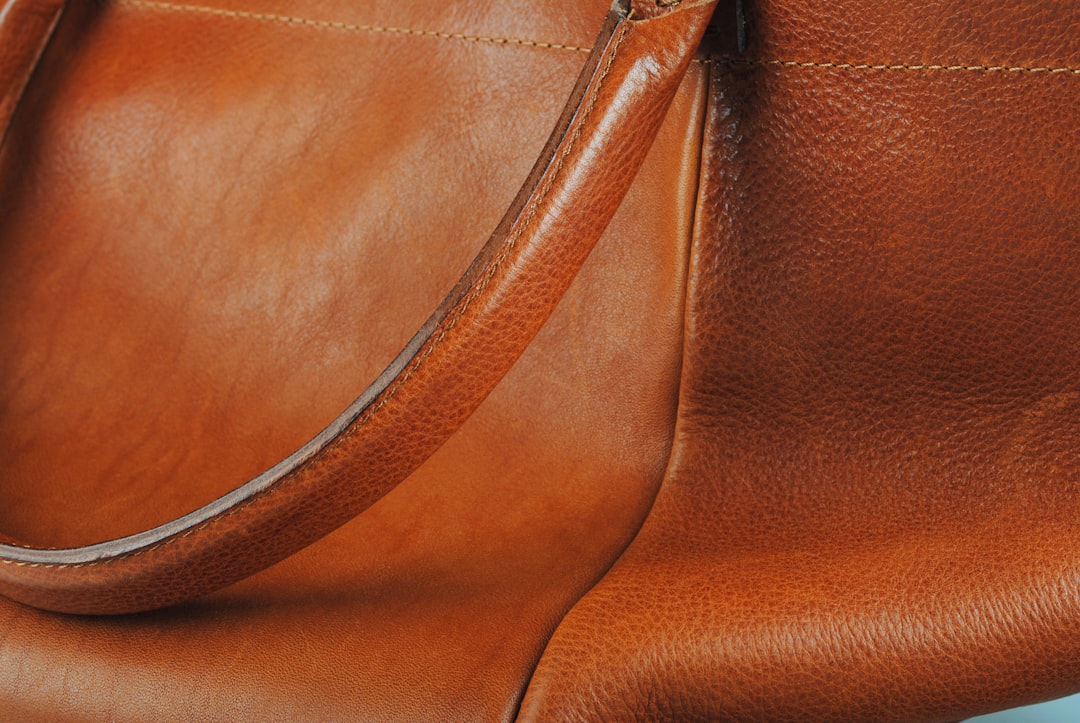
A strong leather goods exporter can explain material options, construction methods, product limitations, quality controls, and repeatability. They understand that a wallet, belt, and structured handbag each require different leather selection. They can show how they inspect edges, manage shade variation, source hardware, and pack finished goods to avoid damage.
A weak exporter often focuses only on catalog photos and low pricing. They may not control leather selection, may change hardware without approval, may not understand target-market expectations, or may treat sample comments casually. In leather goods, these small weaknesses quickly become visible in retail.
Key product details to specify
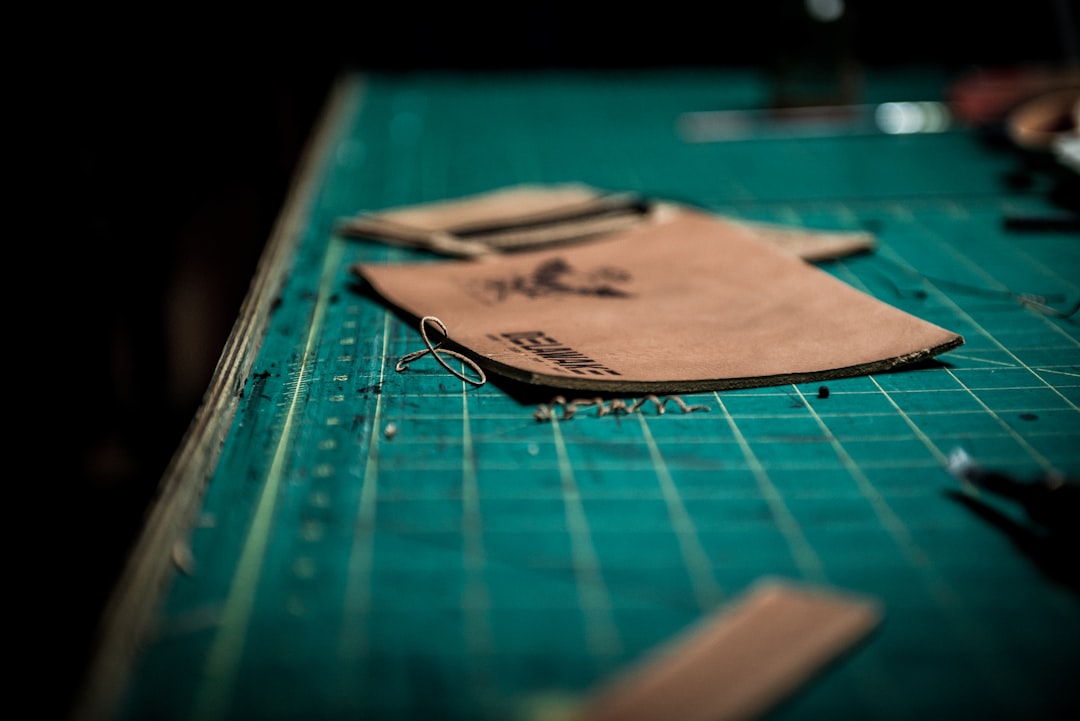
- Leather type, grade, thickness, color, finish, and surface character.
- Construction type, internal reinforcement, lining, and pocket layout.
- Thread color, stitch density, seam allowance, and stress-point reinforcement.
- Edge paint, folding, burnishing, or raw-edge treatment.
- Hardware material, plating, finish, branding, pullers, buckles, and zippers.
- Logo method such as embossing, debossing, metal plate, woven label, or print.
- Retail packaging, protective wrapping, silica gel, cartons, and carton markings.
Sample approval
Buyers should approve more than one sample when the product uses natural leather. A single perfect sample may not represent bulk variation. Ask the supplier to show acceptable range for grain, shade, scars, softness, and thickness. For premium goods, define what natural marks are acceptable and what counts as a defect.
For repeat programs, save a control sample. The control sample should be labeled with date, material reference, color, hardware reference, packaging reference, and approved comments. This becomes the comparison point for future production and helps reduce disputes.
Inspection focus
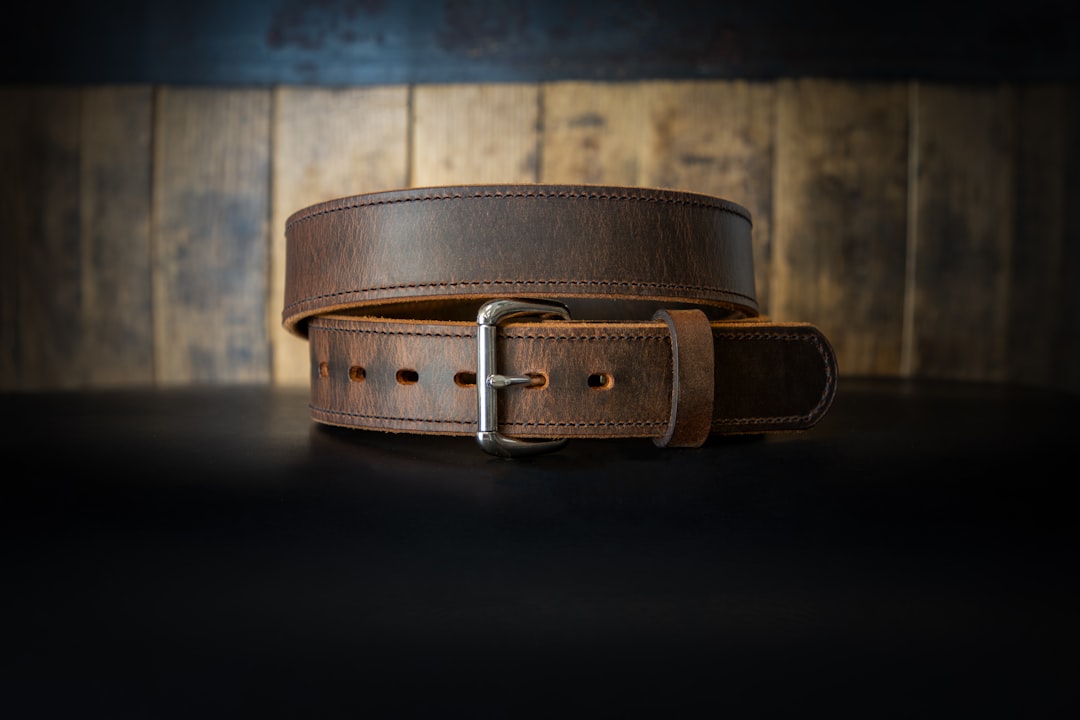
Leather goods inspections should include surface appearance, color consistency, size, stitching, edge finishing, adhesive residue, hardware function, zipper smoothness, lining, logo placement, smell, packaging, carton strength, and quantity. For products with straps or handles, stress points deserve special attention.