

Tannery and Leather Compliance Basics in India
Leather quality begins long before a finished bag or shoe is assembled. Tanning, retanning, dyeing, fatliquoring, drying, staking, finishing, embossing, plating, and inspection all influence performance. Buyers of finished products do not need to become tannery engineers, but they do need to understand the questions that protect them from inconsistent material.
Compliance is also part of sourcing. International buyers may face requirements related to restricted substances, labeling, product safety, workplace standards, wastewater, traceability, and customer-specific standards. Requirements differ by product, market, brand, and retailer, so buyers should define expectations before sample development begins.
Leather terms buyers should understand
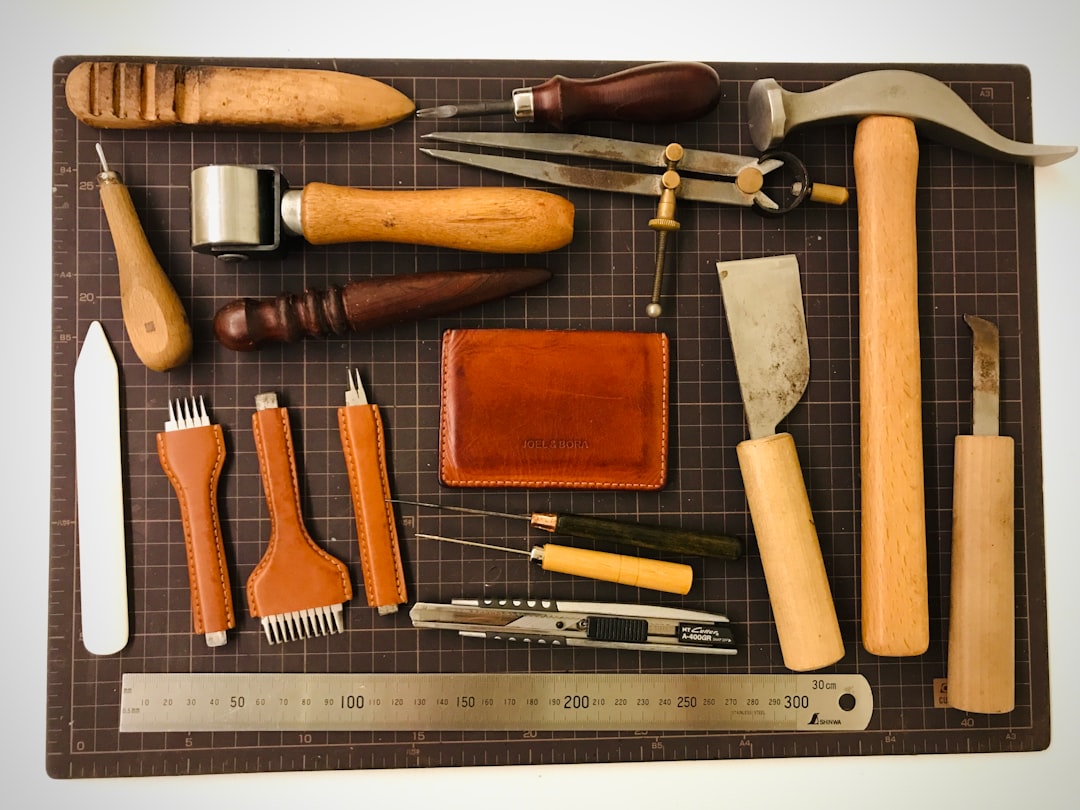
[Full grain](/full-grain-leather/) normally refers to leather where the grain surface remains visible. Corrected grain may be buffed or finished to create a more uniform surface. Suede and nubuck involve different surface textures. Split leather comes from a lower layer and can be useful for certain price points but must be specified honestly. See leather types for how those labels should appear on a specification.
Substance refers to thickness, often measured in millimeters. Selection relates to defect level and usable area. Finish affects appearance, water resistance, rub fastness, flexing, and hand feel. These terms should appear in material specifications, not only in casual discussion.
Common tests and checks

- Color fastness to rubbing, perspiration, water, or light depending on product use.
- Tear strength, tensile strength, flex resistance, and adhesion of finish.
- Restricted substances according to buyer or market requirements.
- Chrome VI control where relevant.
- Thickness, shade, grain consistency, softness, and usable cutting area.
- Odor, surface defects, finish cracking, migration, and color transfer.
Questions for tanneries and product factories
Ask whether the supplier controls tanning or buys finished leather from outside. If they buy material, ask how material is approved and whether lot references are recorded. If a product uses several hides or skins, ask how shade matching is handled. For repeat orders, ask whether the same finish can be reproduced and what variation is considered acceptable.
For product factories, compliance often depends on upstream material. Buyers should ask how leather, adhesives, dyes, trims, metal parts, and packaging materials are sourced and documented. If the buyer needs retailer-level compliance, it should be included in the purchase specification, not added after bulk production.
Practical compliance approach

A practical buyer does not ask for every certificate from every supplier. Instead, define the target market and product risk. A children's item, safety footwear, direct-skin-contact product, premium handbag, or industrial glove may each require different evidence. The stronger approach is to write a compliance checklist, agree testing responsibility, and keep documents tied to the exact product and production lot.